The healthiest ways to eat eggs
Poached, scrambled, boiled? We rank the healthiest way to cook eggs to get the most benefit from this great source of protein, vitamins and minerals.
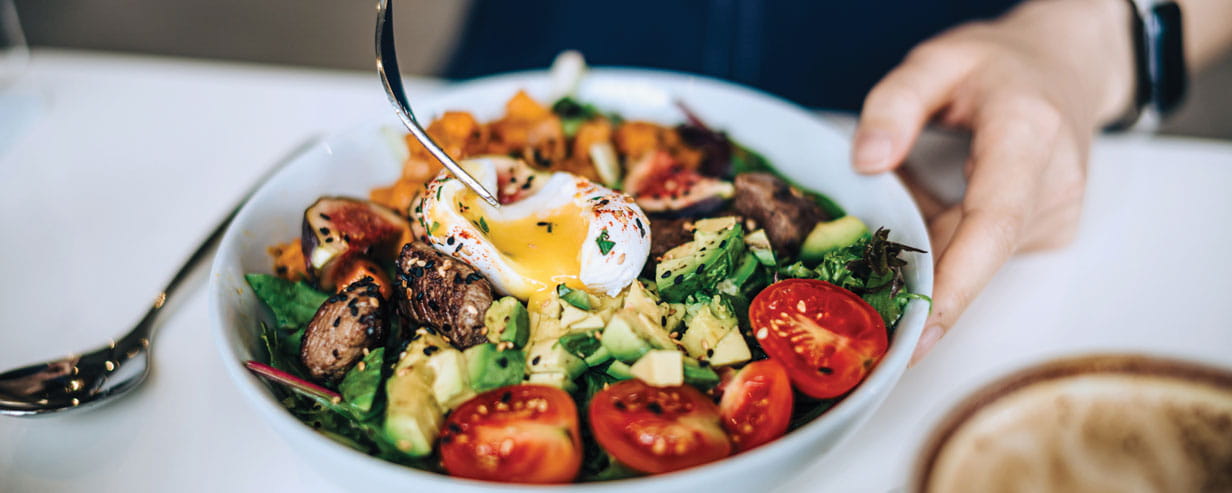
Poached, scrambled, boiled? We rank the healthiest way to cook eggs to get the most benefit from this great source of protein, vitamins and minerals.
Eggs have had some bad press over the years, but gone are the days when they were seen as unhealthy. If they had an ingredients label on their shell, you’d be able to read about all the useful vitamins, minerals and healthy fats they contain.
New research on nearly 40,000 people over 15 years has found that those who ate eggs more frequently were at a lower risk of Alzheimer’s. It’s worth bearing in mind that the study was on a health-conscious group in the US, but the results did show that eating eggs five times a week led to a 27% reduction in risk.
The NHS describes eggs as a good source of protein – which helps you feel fuller for longer and is essential to help the body heal itself – and part of a balanced diet. Studies have also shown eggs are helpful for eye and brain health.
“Eggs are a nutrient-dense, affordable source of high-quality protein, healthy fats and key vitamins like B12 and choline, which support brain and overall health,” says Priya Tew, specialist dietician from Dietitian UK. “The healthiest way to eat eggs is less about the specific cooking method and more about how they fit into a balanced meal.”
Advice on eggs has changed over the years, but currently there’s no recommended upper limit for how many you should eat per week, except if you have exceptionally high cholesterol. Although it’s true that eggs contain cholesterol, they’re low in saturated fat and don’t have a big impact on blood cholesterol levels.
The British Heart Foundation recommends that people with familial hypercholesterolaemia (an inherited condition of high cholesterol in the blood) shouldn’t eat more than three or four eggs a week.
Read on to see which are the best and worst ways to eat eggs for your health.

You can whip one up in minutes and it’s a good way to use up any leftovers in your fridge, but the humble omelette has health benefits, too.
“An omelette is great because it’s a complete meal,” says dietitian Emma Shafqat. “If you add vegetables, such as broccoli or red and yellow peppers, it’s a good way to get your vitamin C in. Eggs are high in iron, so combining them with vitamin C helps your absorption.”
What about the oil debate? Cooking with butter makes the omelette higher in saturated fat, opting for olive oil or another unsaturated fat which fares well at higher temperatures such as rapeseed oil is a good bet. But it’s all about balance – and a little more fat can help if you’ve lost your appetite and are worried you’re losing weight.
“If you’re trying to get your weight up, use butter, which is good at high heat, but if you have high cholesterol it’s better to use olive oil,” says Shafqat. “If I was going to make eggs, I’d use a tiny bit of butter because it performs well at high heat and tastes better.”
Try the classic Spanish omelette, traditionally made with potatoes and onions. You can take out the smoked bacon lardons and replace it with a lean protein such as cooked chicken or turkey — or grilled aubergine for a vegetarian option.
Can what you eat slow ageing? A neuroscientist says yes.
“Baked egg dishes, such as shakshuka, are a great option as they naturally incorporate vegetables and encourage a more balanced meal,” says Tew. Shakshuka packs in the nutrients – it’s rich with a chunky tomato sauce which brings in the potent antioxidant lycopene that comes from cooking the fruit, as well as garlic, onions, smoky peppers and spices.
Eating 30 plants a week is recommended for gut health, so this is another opportunity to add in more vegetables, as well as a sprinkle of nuts on top once your eggs are baked. And if you’re searching the bottom of the fridge for leftover veg, don’t forget the freezer as peas, spinach and other frozen vegetables can be healthier than fresh.

You might have been brought up on a dippy egg with soldiers, but a putting those boiled eggs in a salad is a good way to pack in more nutrients. “Boiled and poached eggs are cooked without added fats and retain their nutrients well,” says Tew. “Eating them with any kind of greens, such as lettuce, spinach and cucumber, is obviously good,” says Shafqat.
“If you need more fibre, lentils are a great addition. Eggs are high in lots of nutrients, such as selenium and iodine, and look out for eggs enriched with omega-3, which can be a good way of getting it if you don’t eat fish.”
Studies have shown that the fatty acid omega-3, which the body can’t produce on its own and needs to come from food or a supplement, could slow down the ageing process, so look out for the label.
Scrambling your eggs in butter is not the only way to cook them, even if it’s the most delicious one you can think of. Spray oil can give you just the right amount and stop you drizzling excess fat into the pan.
“Scrambled eggs are a good option, as long as you don’t put lots of butter and cream in,” says Shafqat. “A splash of milk is better, because then you get your calcium too”.
Tew agrees: “Adding milk can improve both taste and satiety. You can scramble them in the microwave, then put them in a wrap to make a breakfast burrito, pairing them with carbs, healthy fats and fibre.”
Add avocados for good fats, plus tomatoes and spinach to boost your fruit, veg and fibre intake. The key is to make eggs the star of the show in a healthy, balanced meal.
So you want to be healthy, but who can resist the lure of a Full English? Depriving yourself of your favourite breakfast will only make you crave it more, so just make it healthier.
“Fried eggs can totally be a part of a balanced diet,” says Tew. “To make them healthier, you can use a little spray oil on a non-stick pan.”
And if you love grilled tomatoes on your breakfast plate, there’s even better news because they’re packed with vitamin C, potassium and folate, as well a powerful antioxidant called lycopene, which can help lower blood pressure.
Cooking them helps us absorb more of the good stuff.
Source: Egg Info
(Hero image credit: Getty)

Find out about Saga's gastronomy holidays here...
They say the way to the heart is through the stomach, and Saga’s thoughtfully crafted food and wine holidays are perfect if you like trying new flavours and exploring traditional methods of cooking.

Buy direct and start a new Saga Health Insurance policy by the end of 10 December 2026 to get your first 3 months free. T&Cs apply.
Underwritten by Bupa Insurance Limited.

Expert nutritionists break down the most important foods to eat in each decade as we get older.

We reveal the 7 best tinned foods to supercharge your health while saving you time and money.
From ketchup to mayo – how healthy are your sauces? We find out the pitfalls and surprising benefits of our favourite condiments.

Could honey be the sweetest way to supercharge your health this year? Our experts explain the benefits and which to buy.
Our expert guide to the common foods you shouldn't mix with prescription drugs.

Experts reveal whether chilled supermarket soups are worth the extra cost and if some flavours are better for you than others.
Looking after your gut health could be one of the biggest things that you can do for your overall health. Here are the best foods to keep your gut happy.
The foods that could help you live longer and protect against chronic illness.

A dietician reveals which foods can help protect vision and prevent age-related eye conditions.
Everything you need to know about protein, from how it benefits your body to the best high-protein foods – and how much you really need.