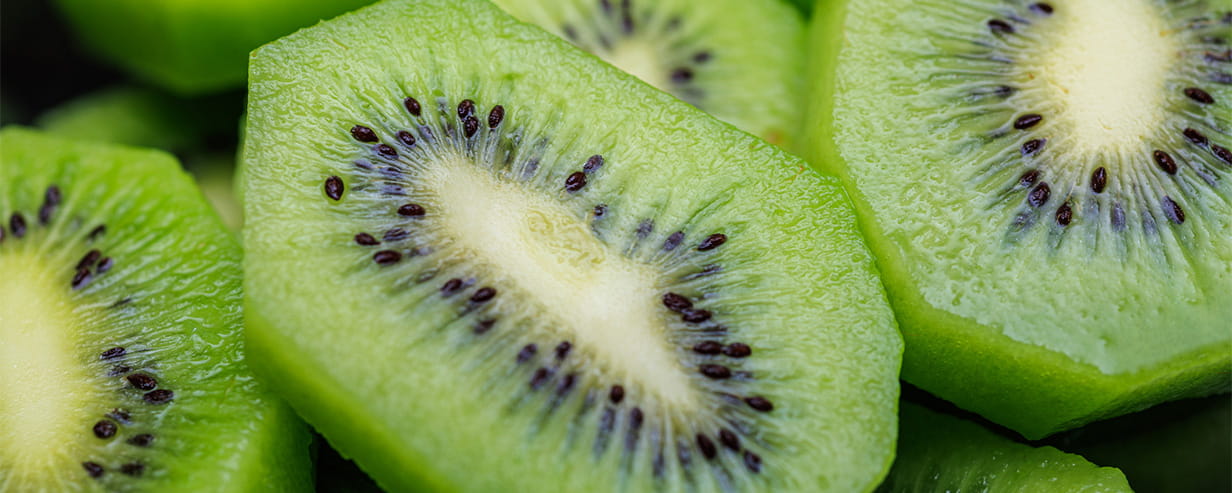
Why kiwifruit could be one of the healthiest fruits you can eat
Often overlooked, kiwifruit may support everything from digestion and immunity to better sleep, mood and healthy ageing.
Getty
Often overlooked, kiwifruit may support everything from digestion and immunity to better sleep, mood and healthy ageing.
Fibre, vitamin C, antioxidants, potassium, folate: the kiwifruit has it all. In fact, it’s considered to be one of the most nutrient-dense fruits of them all.
But despite its impressive health credentials, we each tuck into as few as seven kiwis every year in the UK, according to the Department of Food and Rural Affairs (Defra). Bananas, apples and oranges take the top fruit slots, with an average of 100, 75 and 40 eaten annually per person.
Yet few of us may be aware that a kiwi packs a higher and broader nutritional punch relative to its low-calorie content (roughly 40 kcal per whole fruit) according to the European Journal of Nutrition. For example, a medium kiwi has a similar level of vitamin C content to a medium orange, but with a third fewer calories.
And coming in at an affordable 25p each (when bought as a pack of six), our nutritionists say we should all be making the curious kiwifruit a firm fixture of our fruit bowls.
“Most people can expect to reap some tremendous health benefits by regularly eating kiwifruit,” says Mary Merheim, nutrition consultant and author of Navigating Nutrition in Later Life.
And these nutritional boosts are particularly powerful as we age, says public health nutritionist Summra Nasir: “Evidence-supported health benefits include all-round skin health, improved digestion, enhanced mood and better sleep.
“While not a treatment for any condition, eating one to two kiwifruits per day is a low-risk, nutrient-dense dietary habit for healthy ageing overall.”

A landmark EU ruling last year saw the green kiwifruit become the first fresh fruit to be hailed for its health benefits by the European Commission. Following 15 years of research, the accolade recognised its positive impact on digestive regularity, stating it: “contributes to normal bowel function by increasing stool frequency”.
Prunes, step aside. Enter the kiwi. “Not only are they rich in both soluble and insoluble fibre, they also contain a unique natural enzyme called actinidin, which helps to break down proteins and indeed promote smoother digestion,” explains Merheim.
The evidence here is strong, says Nasir: “A clinical study found that eating two green kiwifruit per day can improve bowel regularity, increase stool frequency and reduce constipation in four weeks.”
With its high vitamin C content, the kiwifruit can also help to promote collagen production, maintaining skin elasticity and strength, while its vitamin E and polyphenols can improve the skin’s resilience to pollution and UV exposure. It’s worth noting, however, that the gold kiwi has a slightly higher level of vitamin C than its green sibling and is more closely linked to skin-boosting.
Nasir says: “Kiwifruit-specific trials are limited, but being so exceptionally high in vitamin C it may drive collagen synthesis and improve skin structure and wound-healing.
“And reduced signs of ageing and better overall skin integrity are also commonly associated with vitamin C intake.”
If a sound slumber is often all but a distant dream, UK sleep scientists say a pre-bedtime kiwi snack could be the answer. A paper in the Nutrients journal described how the fruit’s serotonin content – which is used by the body to create the sleep-regulating hormone, melatonin – works alongside antioxidants to relieve stress and help you nod off.
The researchers tracked the sleep patterns of elite athletes who ate two kiwis an hour before bed and found they had better quality, less interrupted sleep than participants who refrained from the fruit. A previous study with a similar strategy also found that adults in mid-life fell asleep quicker and slept for longer.
"Although the thought of eating fruit before bed is not an obvious one, kiwis have sound links to better sleep onset, duration and overall efficiency,” Merheim agrees.
As well as kiwis, we've got six other foods that could help if you are struggle to get a good night's rest.

The British Journal of Nutrition reported that two kiwis a day can result in a spike in mood and vitality in as little as four days.
“Trials suggest that increasing our kiwifruit intake can improve our psychological wellbeing,” says Nasir. “This is potentially down to the effects of vitamin C in reducing oxidative stress and boosting the brain’s chemical messengers that work to support mood, focus and vitality.”
A medium kiwi contains around 60mg of vitamin C, which more than covers the NHS daily recommendation of 40mg. And research has found that maintaining levels of the vitamin can indeed combat low mood and depression.
The rich combination of fibre, protective plant compounds and that all-important vitamin C found in kiwifruit helps to protect immune cells from oxidative stress and may even soothe the severity and duration of common colds.
“Kiwifruits offer excellent support for the immune system as they have you covered for your daily dose of vitamin C, along with their many other wellbeing-boosting nutrients,” says Merheim.
“They help to keep our immune cells healthy and offer protection from recurrent common colds and can even shorten their duration.”
A trial in older adults found they suffered less frequent upper respiratory tract symptoms, including sore throats and “head colds”.
The kiwi may be small in size, but it offers mighty benefits when it comes to cardiovascular health. Being a rich source of soluble fibre means the fruit can help to remove the “bad” (LDL) cholesterol and other fats from the body.
One Norwegian study found that eating two daily kiwis lowered triglyceride levels (blood fats connected to heart disease risk) by around 13%. While a further paper in the Nutrients journal reported that after a seven-week period of eating two kiwis each day, participants had significantly lower blood pressure.
Merheim explains: “Thanks to the high potassium levels and beneficial plant compounds, kiwis can offer valuable support in lowering our blood pressure and counteracting the negative effects of sodium (salt), which can therefore reduce our cardiovascular disease risk.”

“There are certain reasons I don’t recommend kiwis to everyone,” says Merheim. “Because it contains high levels of vitamin K, potassium and natural blood-thinning compounds, they can cause mild to moderate interactions with some common prescription and over-the-counter medications.
“This could mean a reduced efficacy of certain drugs or an increased risk of bleeding or bruising among other reactions. I’d advise anyone taking blood-thinning drugs or medication for heart health, blood pressure or kidney disease to speak to their doctor or specialist about foods (such as kiwis) that they should avoid.”
Nasir adds: “Those with kiwi allergies should naturally avoid eating even a small amount of the fruit, as reactions can range from mild itching of the mouth and throat to – in rare cases –severe allergic reactions (anaphylaxis).
“People with allergies to latex, avocado, banana or chestnut may also be at increased risk due to cross-reactivity. And while kiwifruit is generally well tolerated and may even help relieve constipation in people with irritable bowel syndrome (IBS), some individuals may experience bloating or loose stools if they eat large amounts.”
The enzyme actinidine can also cause a tingling or sore sensation in the mouth in some people, particularly if the fruit is unripe, but this is not usually a sign of allergy, explains Nasir.
It’s not just the kiwi’s vibrant green flesh that has a nutritional claim to fame. Surprisingly, its unique fuzzy skin is also well worth tucking into, despite its unappealing leathery texture, says Merheim. “It is entirely edible and packed with extra fibre and nutrients. In fact, eating the skin adds around 50% more fibre to your serving and a further boost for your digestive health.”
Nasir adds: “It also contains additional antioxidant compounds, folate, vitamin E and polyphenols that supercharge the nutritional value of the fruit and promote a healthy gut microbiome.
“Choose firm, unblemished fruit and wash it thoroughly under running water before eating. Gold kiwi with its smoother skin is often better tolerated than the fuzzier green variety and less irritating for the mouth. However, it’s all down to personal preference as we all have our likes and dislikes.”

Unripe kiwis, which are still firm or slightly hard, are best kept at room temperature where they will continue to ripen naturally, much like bananas and apples, advises Nasir.
“They can last for 1-2 weeks on the counter, or even longer if stored in a cool, dry place,” she says. “Once kiwis are ripe and soft to the touch – but not mushy – they should be transferred to the fridge where they will keep for approximately 1-3 weeks.”
“If the fruit has been cut into, it should always be refrigerated and ideally eaten within 1-2 days, as exposure to air causes its vitamin C content to decline more rapidly.”
Nasir adds: “Ripening can also be controlled using ethylene gas: storing kiwis alongside bananas or apples will speed up ripening, while keeping them away from these high-ethylene fruits will help them stay fresh for longer.”
“I love to weave kiwis into my diet whenever I can and here are my three favourite ways to eat them,” shares Nasir.
Blend the following together and add water or milk to thin it out if preferred:
Prepare 50g oats in a jar with 2 tablespoons chia seeds, 100ml almond milk, 2 tablespoons Greek yogurt, and 1 teaspoon of matcha powder, then mix and pop in the fridge overnight.
Top with kiwi slices, walnuts, crushed flax seeds and blueberries.
“Sometimes, I simply just love having a couple of kiwis on their own – without the skin (that's my personal choice and we’re all unique) and I do find they improve my sleep,” says Nasir.
Not only are they absolutely delicious, but they’re incredibly hydrating (at over 80% water) so I find them particularly refreshing in very hot weather!”



Buy direct and start a new Saga Health Insurance policy by the end of 10 December 2026 to get your first 3 months free. T&Cs apply.
Underwritten by Bupa Insurance Limited.

Find out about Saga’s walking holidays here…
Saga’s walking holidays are perfect for exploring Europe’s stunning destinations on foot. They’re suitable for all fitness levels and offer a well-balanced mix of guided walks and relaxation.

Expert nutritionists break down the most important foods to eat in each decade as we get older.

We reveal the 7 best tinned foods to supercharge your health while saving you time and money.
From ketchup to mayo – how healthy are your sauces? We find out the pitfalls and surprising benefits of our favourite condiments.

Could honey be the sweetest way to supercharge your health this year? Our experts explain the benefits and which to buy.
Our expert guide to the common foods you shouldn't mix with prescription drugs.

Experts reveal whether chilled supermarket soups are worth the extra cost and if some flavours are better for you than others.

Looking after your gut health could be one of the biggest things that you can do for your overall health. Here are the best foods to keep your gut happy.
The foods that could help you live longer and protect against chronic illness.

A dietician reveals which foods can help protect vision and prevent age-related eye conditions.
Everything you need to know about protein, from how it benefits your body to the best high-protein foods – and how much you really need.