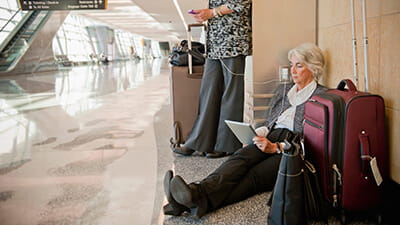
Whether you’ve booked a spontaneous getaway or simply forgotten to arrange cover earlier, securing protection at the eleventh hour can still shield you from unexpected costs, disruptions, or medical emergencies that might derail your plans.
With more holidaymakers leaving travel insurance to the final moments before departure, understanding how last minute travel insurance works – and what it does and doesn’t cover – can make all the difference in travelling with confidence.
The best time to buy travel insurance is right after you've booked a holiday. Buying travel insurance straight away means you're covered for events that could derail your holiday plans before you've even packed your suitcase.

If you’ve booked a spur-of-the-moment break or you only realise you haven’t got your insurance in place just before you leave, you can still get travel insurance on the same day you travel.
Most travel insurance providers specify that your trip starts when you leave your home and ends when you return to it. So, to be fully covered you need to buy your last-minute travel insurance before you close the front door behind you.
Be aware of any ‘waiting period’ the provider has if you’re buying a policy on the same day you travel, which means you might not be able to claim in the first 24 or 48 hours of taking out a policy.
You may still be able to buy cover once you’ve arrived at the airport if you need to. But do it before you go through customs or you’ll have a harder job finding cover and it may come with exclusions.
You don’t need to buy cover before you book a trip, but if you want to know how much a policy is likely to cost before you book a holiday, then you can always get a quote in advance.
This can be particularly useful if you have a complex medical history. Tell your insurer about medications and health conditions so they can make sure you’re fully covered.
Michelle explains why this is important: “If you want to be covered for a pre-existing medical condition or anything associated with it, always declare it when buying travel insurance, otherwise it could lead to complications should you need to make a claim.”
Whether you buy a single trip or annual multi-trip policy, travel insurance bought in advance protects your plans in the run-up to your break as well as when you're there.
It still might not be too late once you’ve arrived at your destination. Some providers sell ‘post-departure insurance’, but this could come at a premium and with certain limitations.
However, if you’ve completely overlooked getting cover until this point, it’s still a good idea to take out a policy. It won’t cover you for anything that might have gone wrong already, such as delayed departure or lost luggage, but it may prove valuable later in your trip.
Some insurers may give you a slightly cheaper price if you buy a policy nearer the time of your departure, but this could backfire if you need to cancel your holiday before you’ve bought cover.
If you want flexibility around your travel return date, you may be better off buying an annual multi-trip policy. This will cover you for a specified number of days of travel per policy year.
Yes, you can buy Saga Travel Insurance for your trip as long as you haven’t left the UK at the time of purchasing. But we would always advise getting your insurance – whether it’s a single trip or annual multi-trip policy – well in advance so you’re protected against any unforeseen events before you head off.
Saga doesn’t cover any trips where you have already left the UK (or the Channel Islands or Isle of Man, if that’s where you live) when you buy the policy, except where you’re renewing an existing annual policy that falls due for renewal during your trip.
It’s also best to arrange your cover in advance if you have pre-existing medical conditions to make sure you’re properly covered. And if you’ve got a complex medical history, you might be better off phoning a specialist provider like Saga.
Last minute holiday insurance usually starts the day you buy your policy, or the start date you choose for annual travel insurance. This might be the same day if you're buying a last minute policy.
If you buy cover shortly before you travel, it is worth checking when different parts of the policy apply. For example, cancellation cover generally protects your plans before you go, while cover for medical emergencies, baggage and travel disruption applies during the trip itself. Reading the policy wording carefully can help you understand what is included from the point of purchase and what only applies once you are away.
With Saga Travel Insurance, you can buy cover for your trip as long as you have not left the UK when you purchase the policy. That means even a same-day policy can still be useful, but arranging it earlier gives you wider protection in the run-up to your holiday.
Last minute travel insurance does not automatically mean lower quality cover, but it can mean you have had less time to benefit from certain protections before you travel. That is why buying travel insurance soon after booking is usually the safer option.
If you buy your policy just before you leave, you may still be covered for things like emergency medical treatment, baggage problems and travel disruption during the trip, subject to the policy terms.
It is also important to remember that travel insurance is designed for unexpected events. It will not cover issues you already knew about when you bought the policy, and if you wait until a problem is developing, it may already be too late to claim.
The cost of last minute holiday insurance can vary, and there is no single rule that says it will always be more expensive or always be cheaper. Price is usually shaped by things like your destination, your age, the length of your trip, your medical history and the level of cover you choose.
Sometimes a policy bought close to departure may look competitive, but price should never be the only factor. If you delay buying cover, you also delay cancellation protection, which could leave you out of pocket if something unexpected forces you to cancel before you travel. In many cases, the value of getting cover earlier is not about saving money on the premium, but about protecting the money you have already spent on the holiday.
It may be possible to extend travel insurance in some circumstances, but this depends on the insurer, the type of policy and whether there have been any changes that affect your cover. If you think your trip may run longer than planned, it is best to contact your insurer as early as possible rather than waiting until the policy is close to ending.
For annual multi-trip policies, flexibility can sometimes come from choosing a policy that suits the length of trips you are likely to take across the year. For single trip policies, an extension may be available if it is agreed before your cover ends. If a delay outside your control means you cannot get home on time, policy wording may also include an automatic extension for a limited period.
If your circumstances have changed, especially where health is concerned, always let your insurer know. That helps make sure the cover still matches your trip and avoids any uncertainty if you need to make a claim later.
Yes, you may be able to get travel insurance on the same day you travel, as long as you arrange it before your trip starts. That can be helpful if you have booked a spontaneous break or only realised at the last minute that you hadn't arranged need cover.
What matters is timing. The closer you leave it, the less time you have with cancellation cover protecting your holiday before departure. So although same-day cover can still be useful, buying earlier is usually the better option if you want wider protection for your plans.


Booked your trip and thinking about travel insurance? When you're looking to compare travel insurance, don't settle for less.
There's plenty to explore and learn about our travel insurance cover.

If you’re wondering whether you really need cover for your next trip, our guide to dealing with medical problems abroad may help.

Plus and Standard customers can enjoy some quiet time in one of more than 950 airport lounges if your flight departure time is delayed by one (Plus) or two (Standard) hours.

Protect your plans, your health and your belongings with a well-chosen travel insurance policy.
Having travel insurance for UK holidays gives you the confidence that you’re covered for cancellation, loss of luggage and so much more.
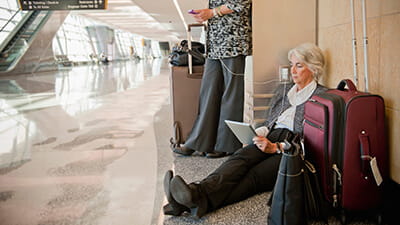
See how travel insurance might be able to help with delayed and cancelled flights.

Single trip policies are most suited to those planning a one-off trip, a holiday abroad, or even a short stay city break.

Need to check your Saga Travel Insurance policy documents, make a claim, change your policy details or contact us? Find everything you need here.

Our travel insurance policies have no upper age limit, so if you're aged over 70 and looking for high levels of cover and service, why not try Saga?
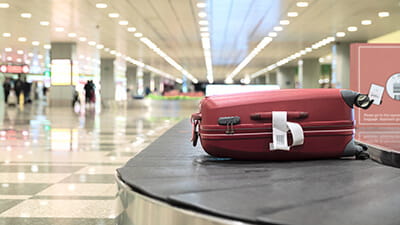
What to do if your luggage gets damaged or lost while you're on holiday.
Our coronavirus help and support page has all the latest information on the changes to our insurance and details of additional support we can provide you.

Being organised for your holiday means you can make the most of your time away. Check out our guide.

Over 65 and looking for travel insurance? Saga offers quality holiday insurance with cover for many pre-existing medical conditions and no upper age limits.

We provide, as standard, unlimited access to online & telephone GP appointments on your holiday with the Saga GP Service.

We automatically include cover as standard for a range of popular leisure activities.
Our team are here to help, with medical expertise and a personal touch. Find out about medical claims with Saga Travel Insurance.

Off to the slopes this winter? It’s easy to add winter sports cover to your Saga Travel Insurance.

Here are common reasons why some travel insurance claims are not successful.